Commercial Solar: Why Businesses Are Switching in 2025

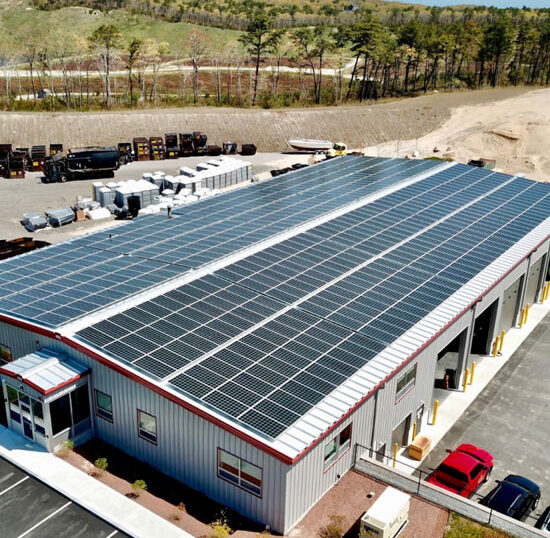
In 2025, commercial solar adoption in India is growing faster than ever. From small shops to large factories, businesses in every sector are switching to solar to lower costs, improve sustainability, and achieve long-term energy independence. With rising electricity prices and decreasing solar costs, commercial solar is no longer optional; it’s a smart investment.
- Drastically Lower Electricity Bills
The Electricity tariffs for commercial users are among the highest in India.
A rooftop system can reduce the monthly bill of a business by 50–90%, depending on load profile and net-metering availability.
Why it matters:
- Reduced operational costs
- Higher profit margins
- Predictable long-term energy costs
Savings over 25 years are in the range of lakhs to crores, depending on system size.
- Rising Grid Tariffs in 2025
Commercial electricity prices continue to rise yearly as a result of fuel costs, infrastructure charges, and high demand.
Solar provides price stability: Once installed, your energy cost remains fixed for the next 20-25 years.
- Sustainability is Now a Business Asset
Customers, investors, and tender requirements increasingly demand clean energy commitments. In 2025:
- ESG reporting is becoming mandatory
- Green power helps in brand reputation
- Many industries require “green compliance” for exporting goods
Businesses using solar can market themselves as eco-conscious and future-ready.
- Solar Technology Is Now More Efficient & Affordable
Solar panel prices have fallen significantly, while efficiency has improved.
2025 sees:
- High-efficiency mono PERC / TOPCon modules
- Better inverters
- Longer warranties
- Faster ROI (3–5 years for many commercial systems)
This makes solar a smarter investment than ever before.
- Commercial Roofs Are Perfect for Solar
Most businesses already have the one thing solar needs — roof space.
- Factory roofs
- Warehouses
- Malls
- Hotels
- Hospitals
- Institutions
These large, flat roofs deliver excellent solar production without occupying operational space.
- How Tata Solar Helps Commercial Businesses

Tata Solar has grown into one of the most trusted partners for commercial solar adoption in the country. From reducing operational costs and improving energy reliability to helping meet sustainability objectives of businesses, Tata Solar provides end-to-end solutions to make the transition seamless and risk-free.
- Net Metering Benefits for Commercial Users
Many states allow commercial net metering or gross metering options.
This helps businesses:
- Sell extra power back to the grid
- Reduce payback time
- Maximize ROI
Even where net metering rules vary, solar still significantly lowers consumption from the grid.
- Tax Benefits
Commercial solar users in India get up to 40% accelerated depreciation, reducing taxable income.
This directly improves the financial viability of going solar.
- Low Maintenance + High Reliability
Solar systems require minimal maintenance — mostly cleaning and periodic inspections.
With strong warranties:
- Panels: 12 years product, 25 years performance
- Inverters: 5–10 years
- Structure: 15–25 years
Businesses get long-term, reliable energy with minimal operational effort.
- Competitive Advantage
Companies that switch to solar gain:
- Lower prices → better pricing power
- Higher margins → reinvestment opportunities
- Stronger brand value → customer trust
- Compliance with green standards → more contracts
Solar isn’t just energy — it’s a business strategy.
- Conclusion: 2025 Is the Best Year for Businesses to Switch to Solar
With rising electricity tariffs, lower panel prices, and strong sustainability demand, commercial solar is the smartest move businesses can make in 2025.
Whether you run a factory, warehouse, office, hotel, or institution — solar will reduce your operating expenses, boost profits, and prepare your business for the future.