Solar Panel Maintenance Services
Solar Panel Maintenance Guide: Keep your solar system running smoothly
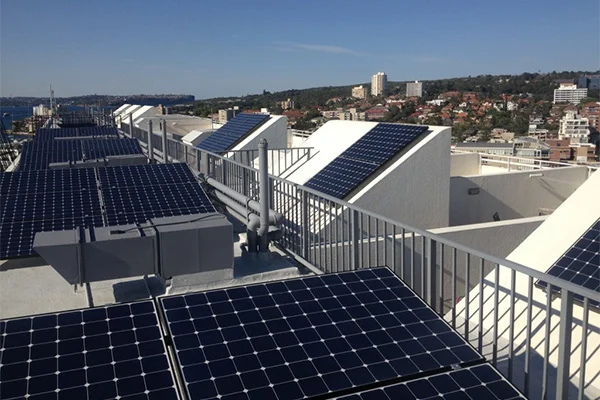
Your solar system must be well taken care of so that it functions efficiently and also continues to provide energy for a long period. Carrying out regular maintenance does not only improve performance but also helps to increase the lifespan of your solar panels and related equipment. Here are a few suggestions that will help you in achieving this goal:
1. Regular Cleaning
Solar panels may get covered in dirt, dust, bird droppings, or any other form of debris which can block the rays of the sun and reduce the systems efficiency. Hence regular cleaning is a necessity:
• Frequency: Clean your solar panels at least on a monthly basis or in heavily dusty areas do it several times in a month.
• Method: Use a soft cloth or sponge with water to gently wipe the panels. Avoid harsh chemicals that could damage the surface. If necessary, a light brush can help remove stubborn dirt or leaves.
• Timing: Clean the panels early in the morning or late in the afternoon when they are cooler to prevent thermal shock from cold water on hot panels.
2. Monitor Inverters
Inverters play a critical role in converting the DC electricity generated by solar panels into AC electricity for home use:
• Check Performance: Regularly monitor your inverter’s performance through its display or connected app. Look for any warning lights or error messages.
• Ventilation: Ensure that there is adequate ventilation around the inverter to prevent overheating, which can affect performance.
3. Inspect Electrical Components
Regular inspections of electrical components are vital for safety and efficiency:
• Check Wiring: Check cables and wiring for damage, loose connections, and wear on a regular basis.
• Mounting Structure: Verify that the mounting structure is stable and free of corrosion or rust, which could compromise stability.
4. Avoid Shading
Tree, building, and other structure shading can have a big effect on solar panel efficiency:
• Trim Nearby Vegetation: Regularly trim trees or shrubs that may cast shadows on your panels.
• Optimal Placement: If possible, place your solar system where it will receive the most sunlight during the day.
5. Check Panel Orientation
The orientation of solar panels can change due to weather conditions or physical disturbances:
• Regular Assessment: Periodically check that your panels are correctly oriented to receive optimal sunlight.
• Adjustments: If necessary, make adjustments to ensure they face the sun directly.
6. Hire Professionals for Maintenance
While some maintenance tasks can be done independently, it’s advisable to hire professionals for comprehensive checks:
• Scheduled Inspections: Schedule annual inspections with a qualified solar technician who can identify potential issues before they become significant problems.
• Expertise: Professionals have the experience and tools necessary to perform thorough checks and repairs safely.
7. Install Performance Monitoring Systems
Using a performance monitoring system can help you track how well your solar system is functioning:
• Real-Time Data: Monitor energy production and consumption through an app or web portal.
• Identify Issues Early: Sudden drops in energy production can indicate problems that need immediate attention.
8. Maintain Thermal Components
If your solar system includes thermal components (such as those used in solar water heating), regular checks are essential:
• Inspect for Overheating: Identify any hot spots that may indicate issues with insulation or component failure.
• Thermal Checks: Ensure that thermal systems are functioning correctly to avoid inefficiencies.
9. Keep Records of Maintenance Activities
Maintaining detailed records of all maintenance activities can help you track performance over time:
• Documentation: Record dates of cleaning, inspections, repairs, and any issues encountered.
• Identify Patterns: Frequent maintenance needs may indicate underlying problems that require further investigation.
10. Energy Efficiency Check
Ensure that your appliances are energy-efficient to maximize the benefits of your solar system:
• Upgrade Appliances: Consider upgrading older appliances that consume more energy than necessary.
• Monitor Usage: Use energy monitors to track which appliances use the most power and adjust usage accordingly.