Types of Solar Power Plants
Types of Solar Power Plants: A Comprehensive Guide
Solar power plants are essential for harnessing the sun’s energy and converting it into usable electricity. Depending on their technology and design, solar power plants can be classified into several types. Here’s an overview of the main types of solar power plants that Genesis Clean Energy, a leading solar company in Rajkot, can help you implement:
1. Photovoltaic (PV) Power Plants:
Photovoltaic power plants convert sunlight directly into electricity using solar panels made up of photovoltaic cells. These systems can be installed in various configurations:
Utility-Scale Solar Farms: Large installations that generate significant amounts of electricity, often exceeding 1 MW in capacity. They are typically connected to the grid and supply power to utilities.
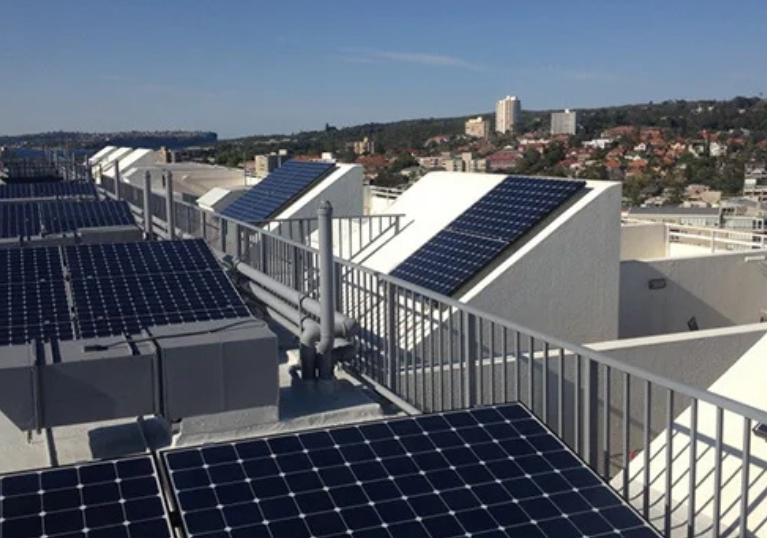
Rooftop Solar Systems: Smaller PV systems installed on residential or commercial rooftops, allowing users to generate their own electricity and reduce reliance on the grid. At Genesis Clean Energy, we specialize in high-quality rooftop solar installations tailored for homes and businesses in Rajkot.
Community Solar Projects: Shared solar installations that allow multiple users to benefit from a single solar array, making solar energy accessible to those who may not have suitable rooftops for installation.
2. Concentrated Solar Power (CSP) Plants
CSP plants use mirrors or lenses to concentrate sunlight onto a small area, generating heat that is then used to produce electricity. There are two main types of CSP systems:
Central Tower Systems: These facilities utilize a large tower surrounded by numerous mirrors (heliostats) that track the sun’s movement. The concentrated sunlight heats a fluid in the tower, which produces steam to drive a turbine and generate electricity.
Parabolic Trough Systems: These systems consist of curved mirrors that focus sunlight onto a receiver tube filled with a heat-transfer fluid. The heated fluid is then used to produce steam for electricity generation.
CSP plants are particularly advantageous because they can incorporate thermal storage, allowing them to provide electricity even when the sun isn’t shining.
3. Hybrid Solar Power Plants
Hybrid solar power plants combine different technologies to maximize energy generation and efficiency. These systems typically integrate both photovoltaic and concentrated solar power technologies or combine solar with other energy sources (like wind or diesel generators).Hybrid systems can provide greater reliability and flexibility, as they can store energy for use during peak demand times or when sunlight is insufficient.
4. Off-Grid Solar Power Plants
Off-grid solar power plants are designed for locations without access to the utility grid. These systems typically include solar panels, batteries for energy storage, and inverters to convert DC electricity from the panels into AC electricity for use in homes or businesses. Off-grid systems are ideal for remote areas where traditional power infrastructure is not available.
5. On-Grid Solar Power Plants
On-grid solar power plants are connected directly to the utility grid and operate in tandem with it. These systems allow users to sell excess electricity back to the grid through net metering arrangements, providing financial benefits while ensuring reliable access to power when needed.